

The Engineering Behind Canadian Rigger Assembly Gloves
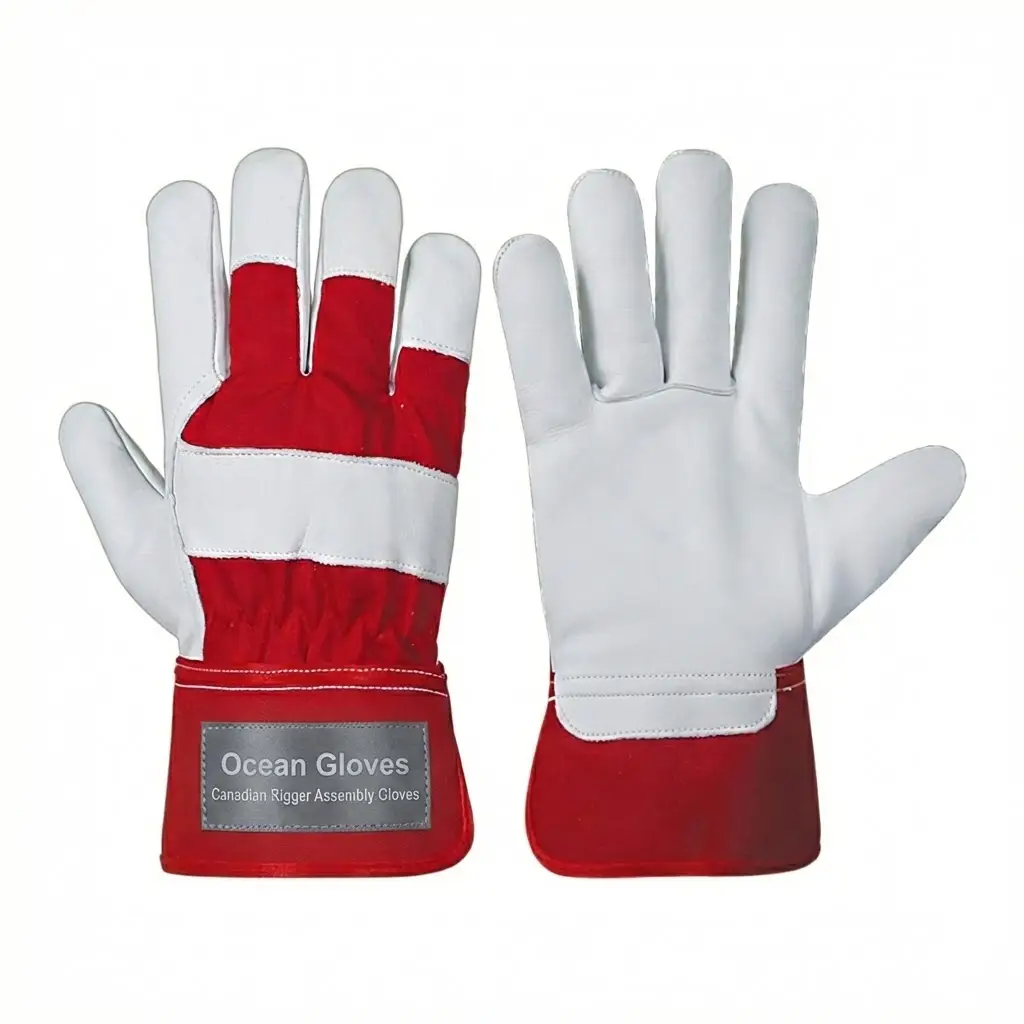
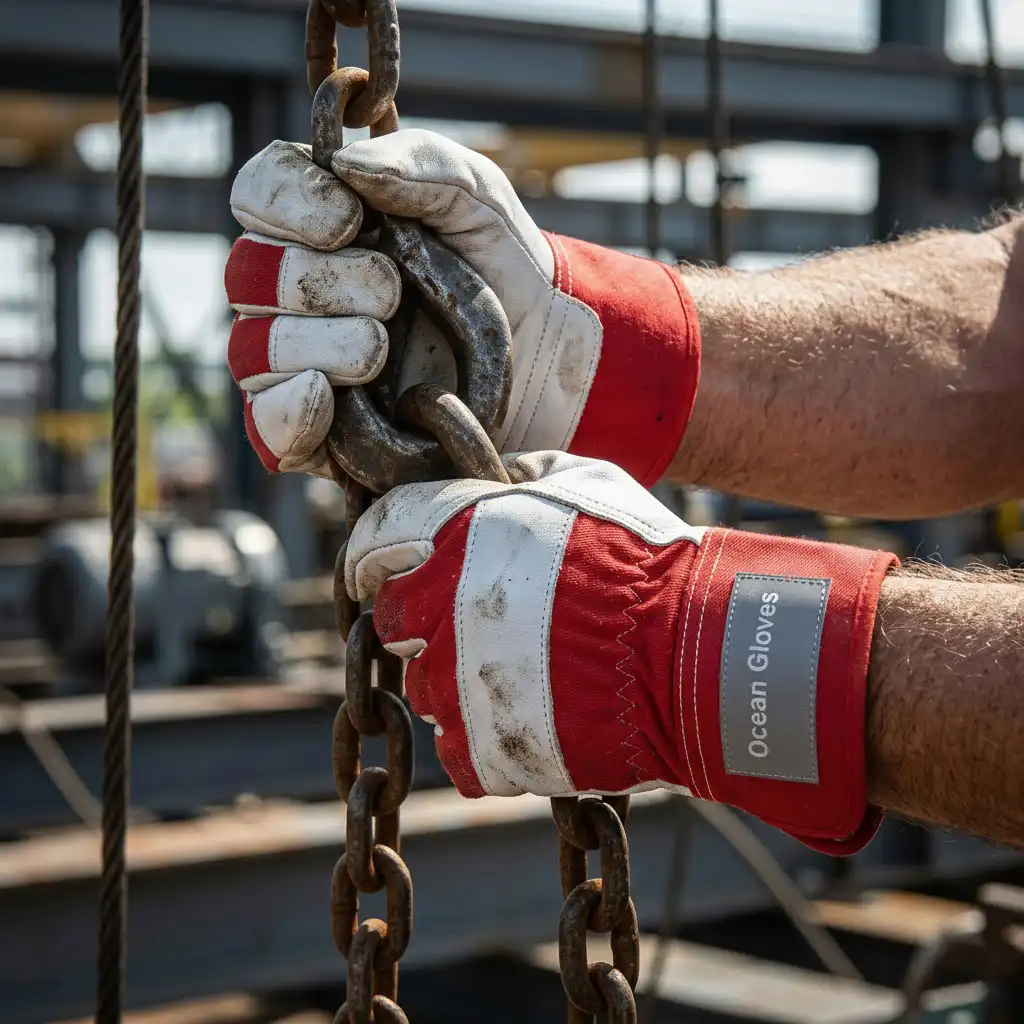
When we design Canadian Rigger Assembly Gloves at our Sialkot facility, we are not just sewing leather to cotton. We are engineering a safety tool that must perform under the high torque and abrasion forces of industrial rigging. The “Canadian” pattern is distinct because of its specific reinforcement zones and the critical integration of the safety cuff. Unlike standard drivers, Canadian Rigger Assembly Gloves must withstand the rough edges of steel beams, the friction of cable handling, and the impact of heavy lumber. We use goat leather because its tight fibrous structure provides better durability than cow split leather of the same thickness.
Our production line focuses on the structural integrity of the glove. We utilize a “gunn cut” pattern which moves the seams to the back of the hand, away from the primary wear zone in the palm. This simple engineering decision doubles the lifespan of the glove in heavy duty rigging applications. We also reinforce the critical wear point—the index finger—with a full leather wrap, ensuring that wire rope handling does not saw through the stitching.
Premium Canadian Work Gloves Material Selection
The choice of material defines the performance of heavy duty Canadian work gloves. We strictly source goat leather from tanneries where we control the chrome tanning process. We verify the pH levels of the leather to ensure it remains between 3.5 and 4.0, preventing skin irritation during long shifts. While many competitors use low-grade cow split that absorbs oil and becomes heavy, our goat leather palm Canadian rigger assembly gloves maintain their lightweight feel while offering superior oil resistance.
The back of the glove is just as important. We use a heavy-duty cotton jeans back fabric. This material is selected for its dual properties: it is tough enough to resist snagging on wire fencing but porous enough to allow moisture from the hand to evaporate. In construction environments, wet hands lead to softening of the skin (maceration), which increases the risk of blisters. Our breathable design mitigates this risk.
Canadian Rigger Assembly Gloves Manufacturing Process
The journey from raw hide to finished rigger assembly gloves involves precise mechanical steps. First, the goat leather is die-cut using hydraulic presses. We do not stack layers too high during cutting, as this causes size variance in the bottom layers. Precision die-cutting ensures that every Size L glove fits exactly like a Size L glove.
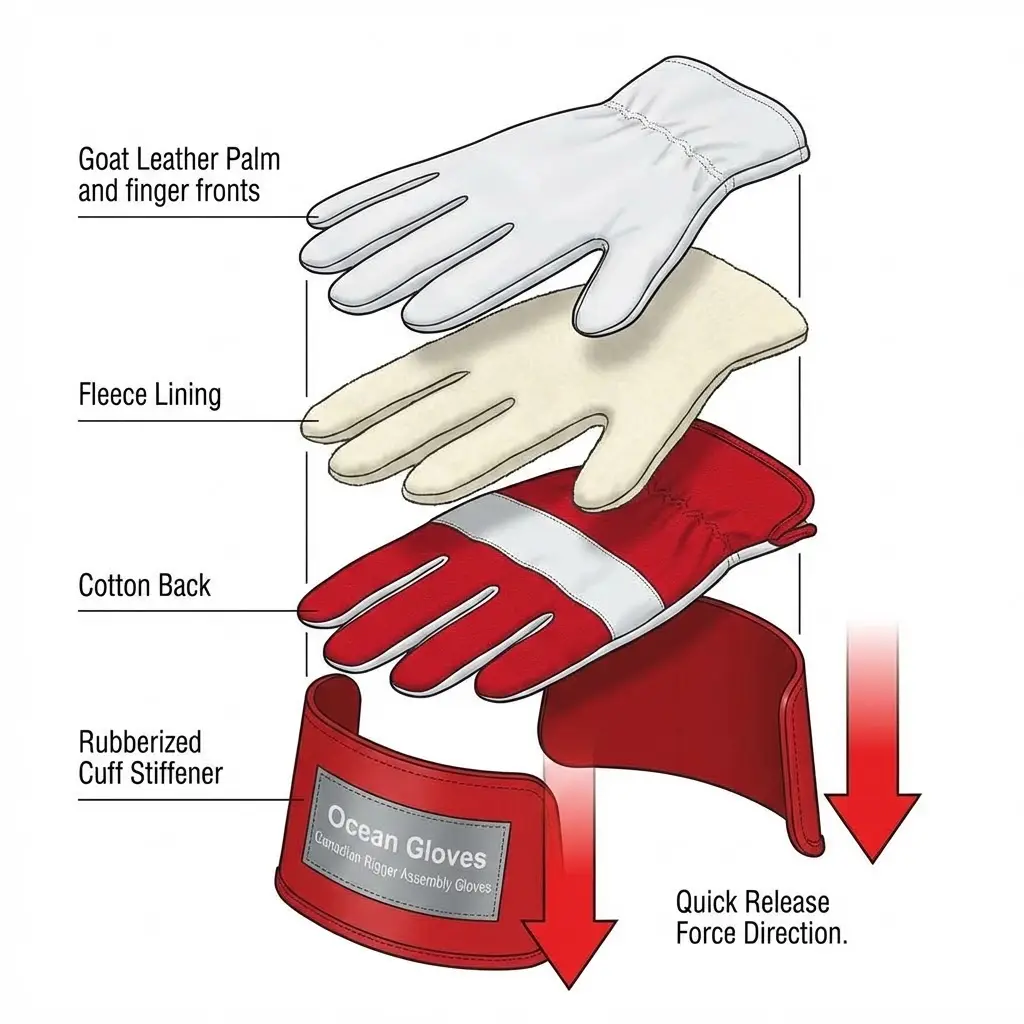
Next is the assembly of the safety cuff. This is a critical safety component. We laminate a rubberized stiffener between layers of cotton or canvas. This stiffness is vital. If a glove gets caught in a conveyor belt or between heavy pipes, a soft cuff would wrap around the wrist, pulling the worker’s hand in. Our rubberized safety cuff is designed to maintain its shape, allowing the worker to jerk their hand back and pull out of the glove instantly. This quick-release mechanism is a standard requirement for industrial rigger gloves used in automated environments.
We then sew the fleece lining into the glove. We use a specialized “bagging” technique where the lining is stitched at the fingertips, preventing it from pulling out when the worker removes a sweaty hand. This attention to detail prevents the common failure point where the lining bunches up, making the glove impossible to put back on.
Heavy Duty Rigger Gloves Technical DNA
We believe in transparency. Here are the engineering specifications that separate our heavy duty rigger gloves from generic market alternatives.
| Specification | Ocean Gloves Standard | Market Average | Impact on Performance |
| Palm Material | Full Grain Goat Leather | Split Cow Leather | Higher abrasion resistance and dexterity. |
| Leather Thickness | 1.0mm – 1.2mm | 0.9mm – 1.1mm | Better puncture protection without stiffness. |
| Cuff Type | Rubberized Safety Cuff | Pasted Cardboard | Rubberized cuff retains shape wet or dry; cardboard collapses. |
| Lining Attachment | Tip-Stitched Fleece | Glued or Loose | Lining stays inside the glove during removal. |
| Back Fabric | 10oz Cotton Jeans | 7oz Poly-Cotton | 10oz withstands welding spatter and snags better. |
| Knuckle Strap | Full Leather | Partial/None | Protects knuckles during back-of-hand impacts. |
| Vein Patch | Leather Reinforced | Fabric Only | Protections the radial artery area from lacerations. |
Fleece Lined Canadian Rigger Gloves Thermodynamics
We manufacture heavy-duty Canadian rigger assembly gloves with fleece lining to address cold weather operations without sacrificing grip diameter. Thermal insulation works by trapping air. Our fleece lining is brushed polyester, which creates millions of micro-pockets of air. This insulates the hand from the cold steel of scaffolding tubes or rigging chains.
However, insulation usually means bulk. In rigging, if you cannot feel the load, you are unsafe. We compress the fleece lining in the palm area slightly during the stitching process to ensure tactile feedback remains high. This balance allows us to produce fleece lined Canadian rigger gloves manufacturer Sialkot batches that are suitable for temperatures down to -10°C while still allowing the operator to manipulate carabiners and shackles.
Construction Grade Canadian Rigger Gloves with Cotton Back
The demand for construction grade Canadian rigger gloves with cotton back is driven by the need for breathability. In high-output jobs like steel erection, a worker’s hands can sweat up to 30 grams of moisture per hour. A full leather glove would trap this moisture, leading to cold hands once the worker stops moving.
Our cotton back design acts as a moisture vapor transfer rate (MVTR) engine. It pulls moisture away from the skin and vents it to the atmosphere. We also incorporate an elasticized back at the wrist. This “shirring” creates a snug fit that prevents debris like metal shavings or concrete dust from migrating down into the palm area, which is a major cause of micro-abrasions and skin irritation.
Safety Cuff Rigger Gloves Mechanics
The mechanics of safety cuff rigger gloves are misunderstood by many buyers. It is not just about wrist protection; it is about rigid structure. We use a 2.5-inch rubberized cuff. The rubberization process involves impregnating the canvas with a latex compound. This makes the cuff water-resistant and stiff.
In scaffolding rigger gloves applications, workers are often reaching overhead. A soft knit wrist would allow water and debris to run down the arm and into the glove. Our flared, stiff safety cuff catches this debris or sheds the water away from the hand. Furthermore, the leather vein patch we sew onto the inner wrist area protects the highly vascular wrist area from cuts, which can be life-threatening in industrial accidents.
Canadian Rigger Assembly Gloves Reinforcement
For extreme applications, we manufacture double palm rigger gloves. This involves sewing a second layer of split leather over the palm, thumb, and index finger. We use double-needle stitching for this reinforcement. The physics here is simple: we are doubling the abrasion cycles. If a standard rigger glove lasts 2,000 cycles on an abrasion machine, our double palm version pushes that to 4,000+ cycles. This is essential for cable handling where friction is constant and aggressive.
Solving Cuff Collapse for a Logistics Client
A large logistics firm came to us complaining that their current rigger assembly gloves supplier Pakistan was providing gloves where the cuffs would collapse and turn mushy after rain exposure. This was a safety hazard as the collapsed cuffs were snagging on crates.
We analyzed their current gloves and found the “safety cuff” was just canvas pasted over recycled cardboard. Once wet, the cardboard lost structural integrity. We switched them to our Canadian rigger gloves Pakistan specification with a rubberized safety cuff. We also upgraded the palm to our hydrophobic treated goat leather. The result was a cuff that maintained its rigid, conical shape even in torrential rain, restoring the quick-release safety function. The client reported a 40% reduction in hand injuries related to snagging over the next winter season.
Premium Canadian Work Gloves with Long Safety Cuff Pakistan
We are seeing increased demand for premium Canadian work gloves with long safety cuff Pakistan orders. The standard cuff is 2.5 inches, but for forestry and deep winter work, we extend this to 4.5 inches. This longer cuff integrates better with winter jackets, closing the gap that often leaves wrists exposed to the elements. We reinforce this long cuff with extra rows of stitching to prevent it from delaminating during the rough donning and doffing cycles typical of forestry work.
FAQs
Q1: Why do you use goat leather instead of cowhide for these Canadian rigger gloves?
Goat leather has a tighter fiber density than split cowhide. This means we can achieve higher tensile strength and abrasion resistance with a thinner piece of leather. This improves dexterity for the rigger, allowing them to feel the equipment better without sacrificing durability.
Q2: What is the specific purpose of the rubberized cuff on rigger assembly gloves?
The rubberized cuff provides structural rigidity. In the event your glove gets snagged in machinery or a heavy load, the stiff, wide cuff allows you to instantly jerk your hand free. A soft cuff would tighten around your wrist, trapping you. It is a critical safety release mechanism.
Q3: Can we order these as heavy-duty Canadian rigger assembly gloves with fleece lining?
Yes, we specialize in fleece-lined versions. We use a brushed polyester fleece that traps heat effectively. We stitch the lining into the fingertips to prevent it from pulling out when you remove the glove, a common issue with cheaper glued linings.
Q4: How does the cotton jeans back improve the performance of construction rigger gloves?
The cotton jeans back is breathable. In heavy construction, hands sweat profusely. The fabric allows this moisture to evaporate, keeping the hands drier and warmer in the long run. Wet hands conduct cold 25 times faster than dry hands, so moisture management is thermal management.
Q5: Are your industrial rigger gloves capable of handling oily steel?
Yes. Goat leather has a natural high lanolin content which gives it mild water and oil resistance compared to dry split leather. For dedicated oil rigging, we can treat the leather with additional hydrophobic compounds during the tanning phase to prevent oil saturation.
Q6: What makes your product a “double palm” rigger glove?
We sew an additional layer of suede or split leather directly over the primary wear areas: the palm, the thumb, and the index finger. This effectively doubles the abrasion resistance and provides extra cushioning against vibration and impact during heavy lifting.
Q7: Why is the index finger fully wrapped in leather on your premium Canadian gloves?
The index finger is a high-wear zone, especially when guiding cables or using tools. A full leather wrap removes the seam from the side of the finger, preventing the stitching from being worn through by friction. This significantly extends the glove’s service life.
Q8: Do you manufacture fleece lined Canadian rigger gloves manufacturer Sialkot directly?
Yes, we are the factory. We cut the leather, stitch the shells, and insert the linings right here in Sialkot. This gives us full control over the adhesive quality and stitch density, ensuring the lining never detaches during use.
Q9: What is the benefit of the “gunn cut” pattern used in these rigger assembly gloves?
The gunn cut moves the seams to the natural creases of the hand and to the back of the fingers. By removing seams from the high-pressure area of the palm, we eliminate the most common point of failure—blown stitches—while also improving comfort for the wearer.
Q10: Can these be used as scaffolding rigger gloves?
Absolutely. The leather palm provides excellent friction grip on metal scaffolding tubes, while the impact protection of the knuckle strap helps prevent bruising when maneuvering poles. The safety cuff is also essential for preventing wrist cuts from sharp tube ends.
Q11: How do you ensure the heavy duty construction of these gloves?
We use a heavier weight cotton canvas (10oz or 12oz) for the back and cuff, compared to the industry standard 7oz. We also use a bonded nylon or polyester thread that resists rot and mildew, ensuring the glove holds together even in damp environments.
Q12: What is the advantage of the wing thumb design in your Canadian assembly gloves?
The wing thumb is an angled construction that allows the thumb to move naturally without bunching leather in the palm. This ergonomic design reduces hand fatigue during long shifts of grasping and lifting, which is vital for productivity.
Q13: Why do you reinforce the vein patch on safety cuff rigger gloves?
The wrist area contains major arteries and veins close to the surface. We sew a leather patch over the inside wrist area of the cuff to provide a slash-resistant barrier. This protects the worker from life-threatening cuts if a sharp object slides down the palm.
Q14: Are premium Canadian work gloves with long safety cuff Pakistan available for export?
Yes, we export globally. We can customize the cuff length to your specifications. The long cuff offers greater forearm protection and is preferred in industries like forestry and waste management where debris is a major hazard.
Q15: How does the goat leather palm Canadian rigger assembly gloves wholesale pricing compare to cowhide?
Goat leather is generally more cost-effective than top-grain cowhide while offering better performance than split cowhide. This makes it the “sweet spot” for industrial buyers who need high performance at a viable volume price point.
Q16: Do you offer construction grade Canadian rigger gloves with cotton back in different colors?
Yes. The cotton jeans back can be dyed to your corporate colors. We frequently produce yellow, red, blue, and striped backs for different clients to help with size identification or department segregation on the job site.
Q17: What testing do you perform on heavy duty rigger gloves exporter Pakistan batches?
We conduct tensile strength testing on the leather and abrasion testing on the finished palm. We also check the “pull-off” force of the safety cuff to ensure it holds firm during normal use but releases under emergency entrapment loads.
Q18: How does the elastic back improve the fit of rigger gloves Pakistan?
We sew an elastic strip into the back of the hand. This “shirring” gathers the material, pulling the glove snug against the back of the hand. This prevents the glove from slipping off during movement and keeps the palm leather properly aligned with the hand’s grip.
Q19: Can you manufacture double reinforced palm versions for steel erection gloves?
Yes. Steel erection destroys gloves quickly due to the sharp burrs on beams. We can add a second layer of leather and even Kevlar stitching to the palm to withstand the extreme abrasion and cutting forces found in steel rigging.
Q20: Why is the knuckle strap indispensable on premium Canadian work gloves?
Riggers often bang the backs of their hands against hard surfaces. The leather knuckle strap provides a layer of abrasion and impact resistance across the vulnerable metacarpal joints. Without it, minor impacts become lost-time injuries.
WhatsApp us or email Sales@oceangloves.com
Facebook | Twitter | Instagram | YouTube | LinkedIn