

The Engineering Behind Multi Task Assembly Gloves
In the world of industrial safety, versatility is often a compromise. Usually, if you want protection, you lose dexterity. If you want dexterity, you lose durability. At Ocean Gloves Corporation, we refused to accept that trade-off when we designed our multi-task assembly gloves. We set out to build a glove that serves the modern industrial athlete—the warehouse manager, the delivery driver, and the light assembly technician who needs one pair of gloves to handle boxes, operate a forklift, and log data on a touch screen interface.
The Physics of Touch Screen Work Gloves
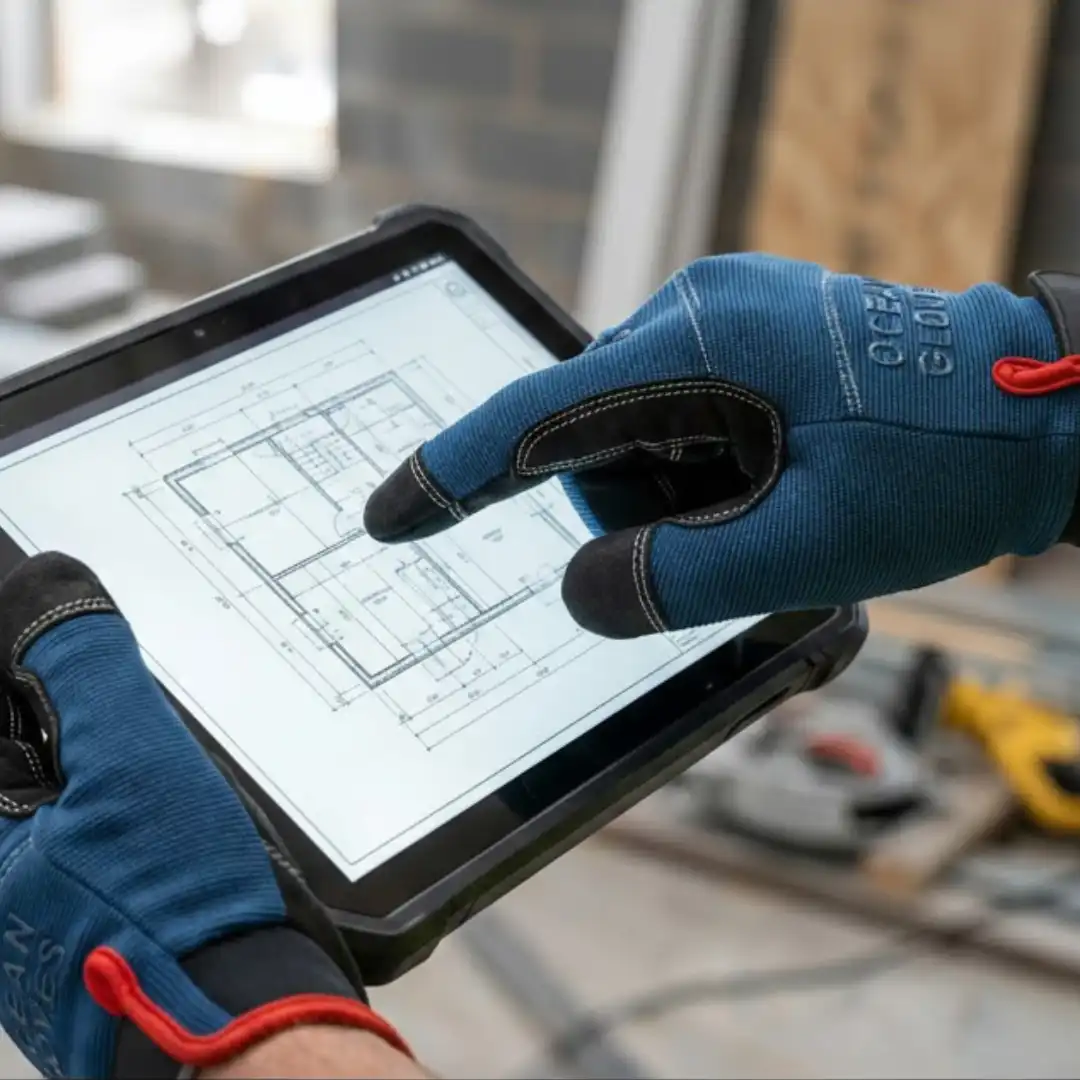
The most critical engineering challenge in creating effective touch screen work gloves is capacitance. Modern touch screens on tablets and scanners work by sensing the electrical charge of the human finger. Standard glove materials act as insulators, blocking this charge.
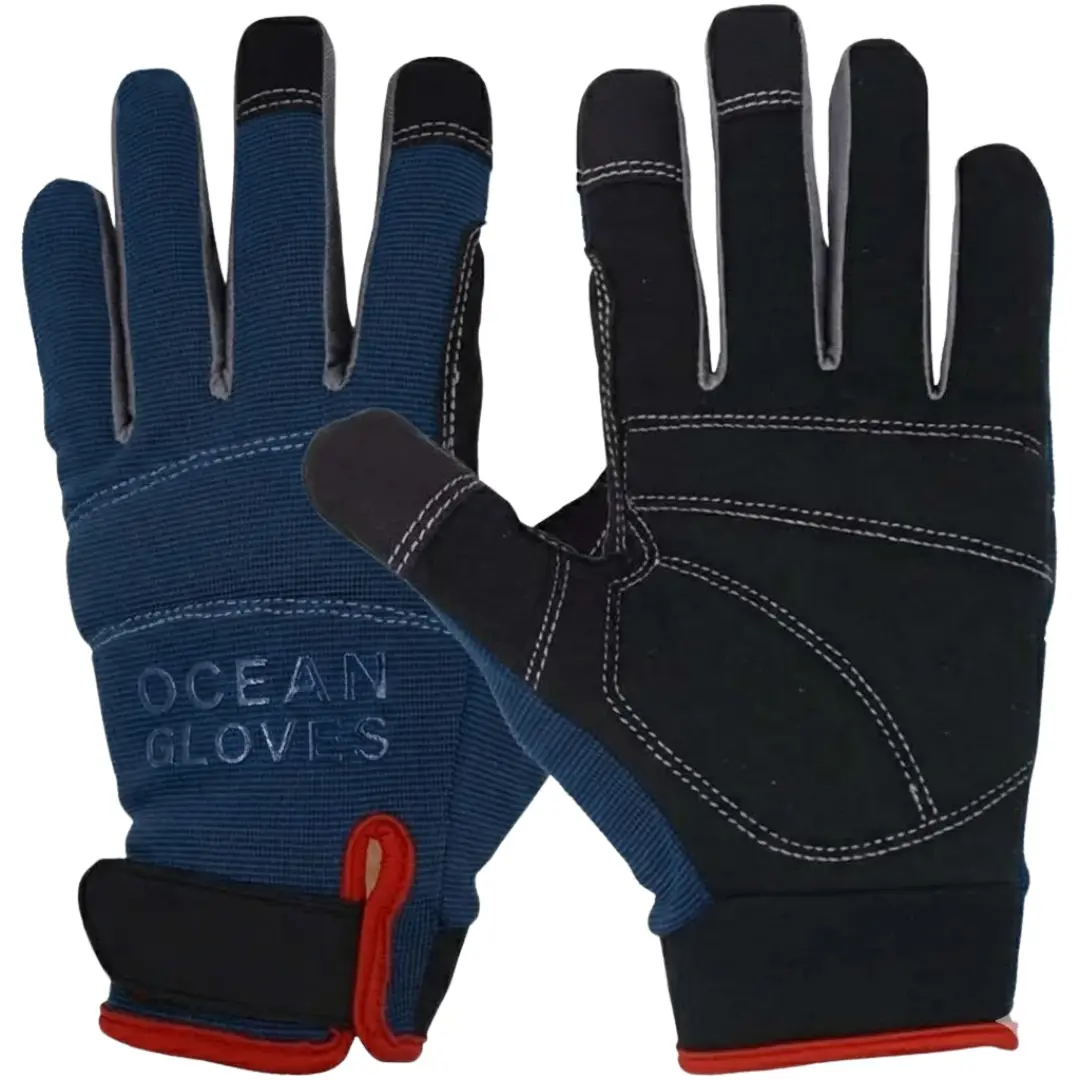
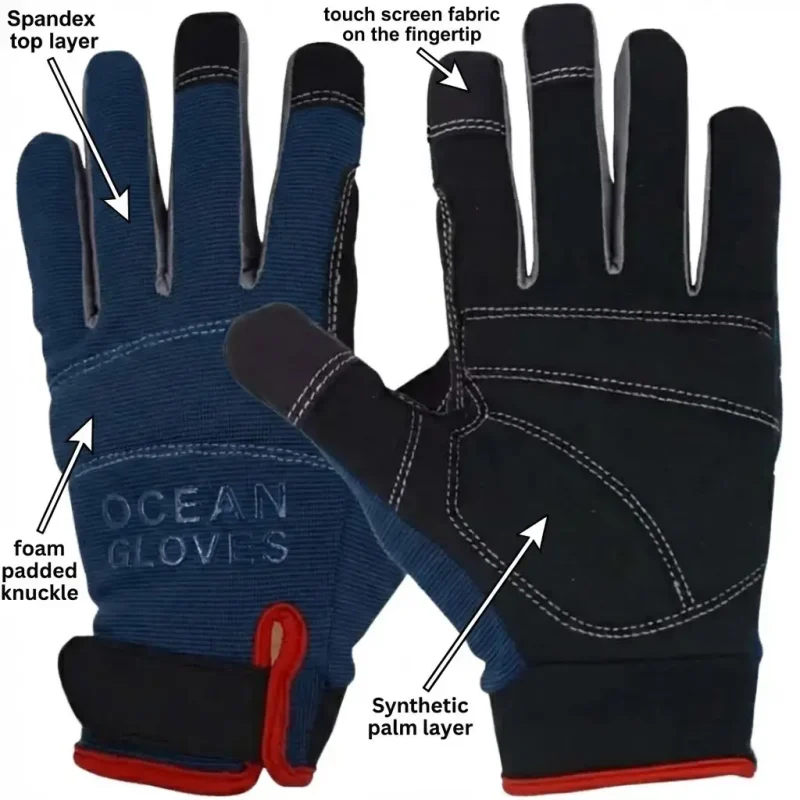
To solve this, we do not just coat the fabric. We weave conductive threads directly into the synthetic material of the index finger and thumb. This creates a bridge for the electrical current to pass from your skin through the glove to the screen. Unlike cheap spray-on coatings that wash off after three cycles, our conductive integration is mechanical. It lasts the life of the glove. This makes our multi-task assembly gloves with touch screen fingertips a permanent solution for logistics teams that rely on digital tracking.
Material Selection for Multi Task Assembly Gloves
We selected specific materials to ensure these are truly versatile assembly gloves capable of handling varied environments.
The Spandex Chassis:
We use a heavy-grammage Spandex for the back of the hand. Spandex is a polyurethane-polyurea copolymer known for its exceptional elasticity. In our factory, we test the “recovery rate” of the fabric. This refers to how quickly the material snaps back to its original shape after being stretched. A high recovery rate ensures the glove remains snug against the hand after weeks of use, preventing the loose material that causes snagging hazards in machinery.
The Synthetic Palm:
For the palm, we utilize a specialized synthetic leather. While we love goatskin for certain applications, synthetic material offers a specific advantage here: consistency. It provides a uniform grip surface that is unaffected by oils or humidity. It is also lighter than natural leather, which reduces hand fatigue during high-repetition tasks. This makes them the best multi-purpose work gloves for fast-paced environments.
The Manufacturing Process: From Roll to Hand
Understanding how we make these gloves helps you understand their quality. It is a precise process that happens right here in Sialkot.
Die Cutting: We layer the spandex and synthetic palm materials. We use hydraulic clicker presses with precision dies to cut the patterns. This ensures every pair is identical in sizing.
Padding Integration: Before the glove is closed, we insert the foam padding. This is a critical step. If the padding is floating, it will bunch up. We stitch the foam padding gloves components securely into the knuckle and palm areas to ensure the protection stays exactly where it is needed.
Conductive Assembly: The touch screen fingertips are attached using a specialized stitching gauge. We use a finer needle here to ensure we do not disrupt the conductive pathway.
Closing the Glove: The back and palm are stitched together. We use a “winged thumb” design in our multi-task assembly gloves to mirror the natural anatomy of the hand, reducing stress on the thumb crotch seam.
Quality Control: I personally oversee the QC protocols. We test the touch screen functionality on random batches to ensure conductivity standards are met before packaging.
Technical DNA: Multi Task Assembly Gloves vs. Standard Assembly Gloves
We believe in data. Here is how our multi-task series compares to standard cotton or basic leather alternatives.
| Technical Specification | Ocean Multi-Task Assembly Gloves | Standard Cotton Gloves | Basic Leather Drivers |
| Back Material | 4-Way Stretch Spandex | Cotton Knit | Cowhide/Goatskin |
| Tactile Sensitivity | High (Synthetic Palm) | Medium | Low (Thick Leather) |
| Digital Interface | Integrated Conductive Thread | None | None |
| Impact Absorption | EVA Foam Padding | None | Natural Leather Only |
| Breathability | High (Active Moisture Wicking) | High | Low |
| Fit Profile | Ergonomic/Tight | Loose/Relaxed | Stiff until broken in |
Impact and Vibration Protection Mechanics
We market these as all-purpose assembly gloves with foam padding Sialkot manufactured, but the engineering goes deeper. The padding is typically Closed-Cell EVA (Ethylene-Vinyl Acetate) foam. We place this strategically over the knuckles and the heel of the palm.
When you are using an impact driver or handling heavy crates, vibration energy travels into the hand, leading to Hand-Arm Vibration Syndrome (HAVS) over time. The EVA foam acts as a decoupler. It absorbs and dissipates a portion of that kinetic energy before it reaches your skeletal structure. This is why we classify them as vibration protection gloves suitable for light to medium power tool use.
Logistics Efficiency in Cold Storage
We recently worked with a large distribution center that was struggling with efficiency. Their workers were wearing standard leather drivers. Every time they had to scan a barcode or sign a digital manifest, they had to remove their gloves. In a cold warehouse, this was uncomfortable and slow.
They asked us for a solution. We supplied them with our multi-task assembly gloves with touch screen fingertips. We customized the foam density to be slightly thinner to allow for even more dexterity while maintaining knuckle protection against shelving racks.
The result was a 15% increase in picking speed because the “glove removal” step was eliminated from their workflow. Furthermore, reportable hand injuries dropped because workers kept their gloves on for the entire shift. This proves that investing in versatile assembly work gloves for multiple applications pays for itself in productivity gains.
Why Sourcing from Pakistan Matters
You might see “Made in China” often, but Sialkot, Pakistan, is the global capital for technical glove manufacturing. As a touch screen compatible assembly gloves manufacturer Pakistan based, we have access to a generational workforce. Our stitchers have been doing this their whole lives. We do not just assemble; we craft. When you buy multi-purpose flexible assembly gloves with impact protection from Ocean Gloves, you are buying from a factory that understands the ergonomics of the human hand, not just a facility that maximizes output per hour.
FAQS
Q1: Why do we use synthetic leather instead of goatskin for multi-task assembly gloves?
We use synthetic materials for this specific model to prioritize consistency and flexibility. While goatskin is excellent, synthetic leather provides a uniform thickness that is critical when we are embedding conductive touch screen threads. It ensures that the versatile assembly work gloves for multiple applications perform identically from the first pair to the thousandth pair.
Q2: How does the foam padding affect the dexterity of the glove?
This is a balancing act we calculate carefully. In our all-purpose assembly gloves with foam padding Sialkot production line, we use segmented padding. Instead of one solid block of foam, which would restrict hand closure, we shape the foam to follow the natural bend of the knuckles. This allows you to close your fist completely while still maintaining impact protection.
Q3: Can the touch screen fingertips wear out over time?
This depends on the manufacturing method. Some manufacturers use a conductive dip, which wears off. We use multi-task assembly gloves with touch screen fingertips that utilize conductive yarn woven into the matrix of the fabric. As long as the fabric itself is intact, the conductive properties will remain active, allowing the electrical capacitance from your finger to reach the screen.
Q4: Are these considered impact protection gloves for heavy demolition?
No. These are designed for light to medium duty. While they are multi-purpose flexible assembly gloves with impact protection, the foam is engineered for knocks against shelving, light tool use, and general handling. For heavy demolition or sledgehammer work, you would need our dedicated TPR impact gloves (Product #16) which offer a much higher ISO impact rating.
Q5: Why is Spandex preferred over cotton for the back of the hand?
Spandex offers 4-way stretch memory. Cotton tends to stretch out and become loose after a few hours of sweat and movement. We use Spandex to ensure these remain flexible work gloves that hug the hand tightly throughout the entire shift. This tight fit is essential for precision tasks where loose fabric could get caught in assembly machinery.
Q6: Do these gloves offer vibration protection for pneumatic tools?
They offer vibration dampening, not full isolation. As general utility gloves, the foam padding in the palm helps reduce the buzz from impact drivers or drills. However, for continuous use of jackhammers or heavy pneumatic equipment, you would require a specialized anti-vibration glove certified to ISO 10819 standards.
Q7: How do you ensure the conductive thread does not scratch delicate screens?
The conductive material we use is a soft-fiber blend, often silver or copper-infused nylon. It is just as soft as the surrounding synthetic textile. We inspect this strictly to ensure our mechanics assembly gloves can be used on sensitive automotive diagnostic tablets without leaving scratches.
Q8: What makes Sialkot the right location for sourcing these technical gloves?
As a touch screen compatible assembly gloves manufacturer Pakistan, Sialkot gives us access to a specialized supply chain. We weave our own elastics and have local access to high-grade synthetics. This localization allows us to control quality far better than sourcing components from disparate locations.
Q9: Can these gloves be used for automotive repair work?
Yes, they are excellent mechanics assembly gloves. The synthetic palm resists oil absorption better than porous cotton, and the touch screen capability allows mechanics to use diagnostic computers without degloving. The foam padding also protects knuckles when wrenches slip in tight engine bays.
Q10: Are these breathable multi-task gloves suitable for hot climates?
Absolutely. The Spandex back is permeable to air. Unlike full leather gloves that trap heat, the knit structure of the Spandex allows heat vapor to escape from the back of the hand, keeping the user cool during yard work or summer warehousing.
Q11: How do you test the “flexibility” of the glove in the factory?
We perform a dexterity test based on EN 420 standards. This involves a wearer picking up pins of decreasing diameters. Our multi-task assembly gloves score highly because of the thin, flexible synthetic palm and the elastic back, making them superior to rigid traditional leather gloves for fine tasks.
Q12: Is the foam padding resistant to compression set?
Yes. We use high-density EVA foam. Cheap foam collapses and stays flat after a few days. The foam in our impact protection gloves rebounds to its original thickness after pressure is released, ensuring that the protection level remains constant over the life of the glove.
Q13: Why do you call them “General Utility Gloves”?
We use this term because the design is balanced. They are not specialized for just one thing like welding or chemical handling. They are general utility gloves because they balance grip, protection, and dexterity equally, making them suitable for 80% of standard job site tasks.
Q14: Can I get these with my company logo on the foam padding?
Usually, we print logos on the Spandex back or the wrist closure. Printing directly on the foam of all-purpose work gloves can affect the flexibility, so we recommend branding the back of the hand or the cuff for the best aesthetic and performance result.
Q15: How does the velcro closure improve the function of the glove?
An adjustable closure is vital for a precision fit. It allows the user to lock the glove in place so it does not slide forward during repetitive motion. This stability is required to ensure the touch screen fingertips align perfectly with the user’s actual fingers.
Q16: Are these gloves suitable for gardening and yard work?
Yes, many of our clients sell them as yard work gloves. The synthetic palm is durable enough for raking and digging, while the breathable back keeps hands cool. The padding also helps prevent blisters when using shovel handles for extended periods.
Q17: What is the benefit of the synthetic palm for home improvement?
For DIY and home improvement, you are often handling rough timber, drywall, and tools. The synthetic palm provides good abrasion resistance. Unlike natural leather, it does not get stiff if it gets wet and dries out, making it more user-friendly for the occasional DIYer.
Q18: Do you produce these gloves for private label brands?
Yes, we are a primary touch screen compatible assembly gloves manufacturer Pakistan. We produce for major global brands. We can adjust the color of the Spandex, the density of the foam, and the type of grip pattern on the palm to match your specific brand identity.
Q19: How do vibration protection gloves help with warehouse scanning guns?
Warehouse scanners can be bulky and hard plastic. Repeatedly grabbing and holstering them can bruise the hand. The palm padding in our gloves cushions this repetitive impact, reducing hand fatigue for logistics workers.
Q20: Why is “finger sensitivity” important in these gloves?
If you cannot feel what you are holding, you drop it. We engineer the fingertips to be thin enough to transmit tactile sensation. This is crucial for “blind” tasks, like reaching into a bin to grab a single bolt, which is why we market them as flexible assembly gloves.
WhatsApp us or email Sales@oceangloves.com
Facebook | Twitter | Instagram | YouTube | LinkedIn