

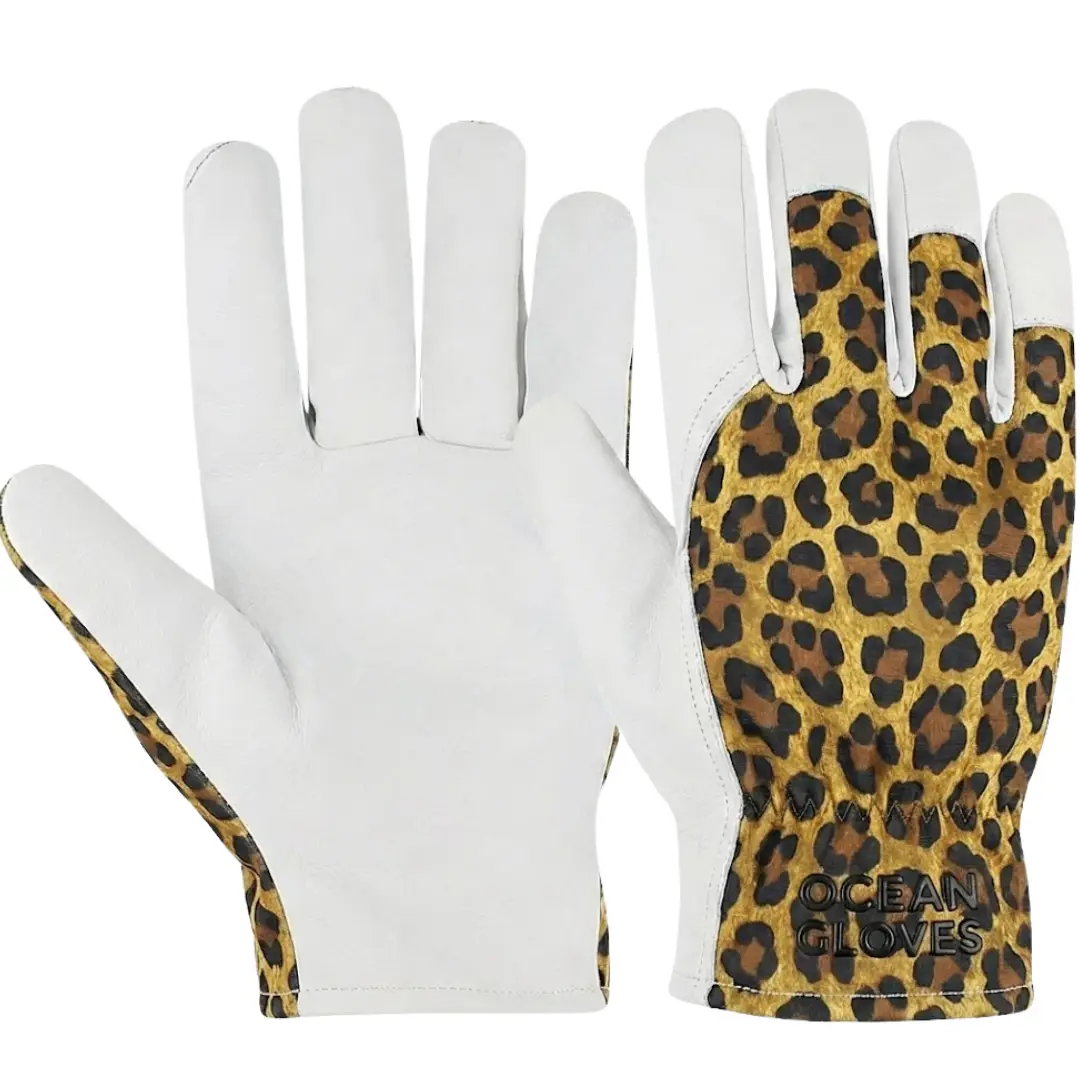
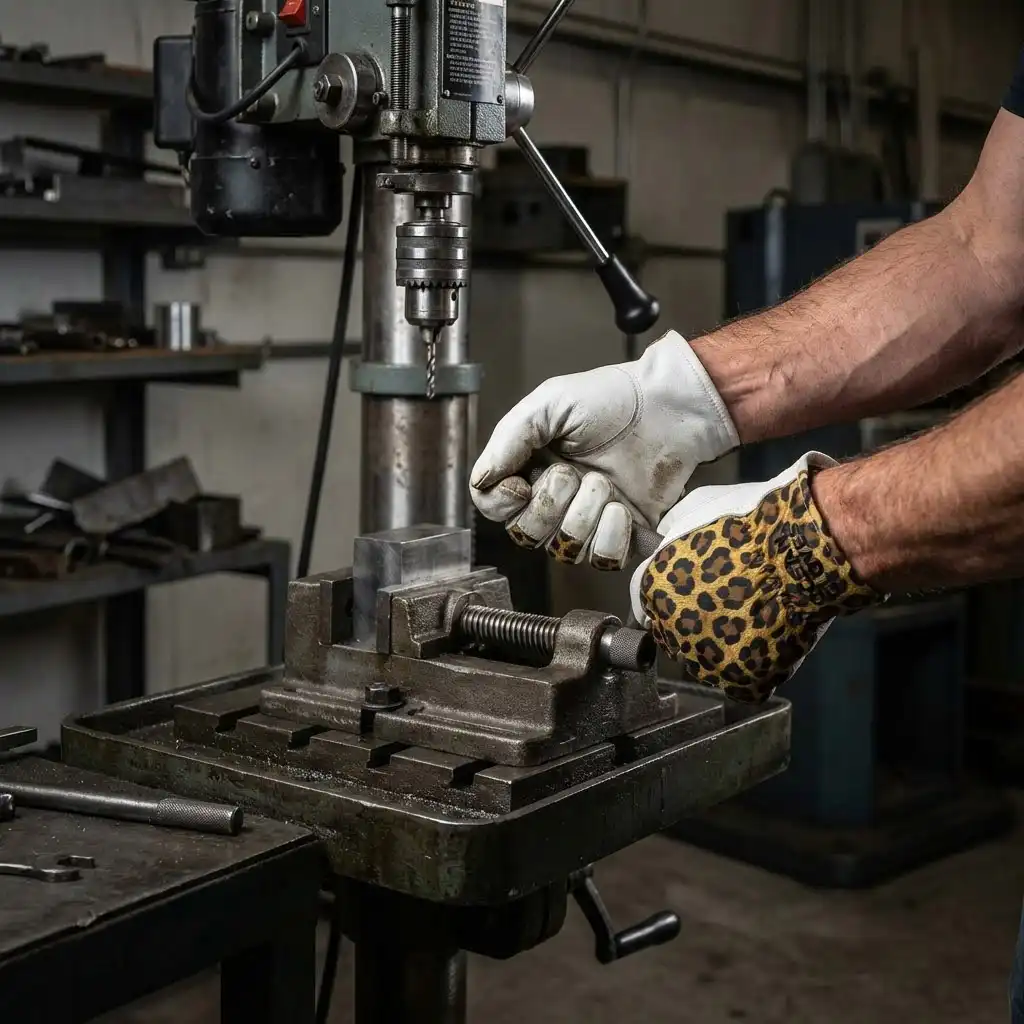
The Engineering Behind Industrial Assembly Gloves
When we design industrial assembly gloves here at Ocean Gloves Corporation, we do not just stitch leather to fabric. We analyze the specific mechanical stresses a worker faces on a modern manufacturing line. A glove in an automotive plant faces different torque and abrasion forces than a glove in an electronics facility. We engineer our factory assembly gloves to handle these specific variables.
The Raw to Box Process for Manufacturing Assembly Gloves
Our manufacturing process begins long before the leather hits the cutting table. We control the supply chain starting from the raw hide selection. For our industrial assembly gloves, we typically source hides that have a tighter fiber structure. This is crucial because loose fibers lead to premature delamination of the leather surface when subjected to constant friction.
Once the hides arrive at our tannery, we monitor the chemical processes strictly. We maintain the pH levels between 3.5 and 4.0 during the tanning phase. This acidity level is critical for preserving the collagen structure of the skin, which gives the leather its tensile strength. If the pH drifts, the leather becomes brittle or too soft, rendering it useless for heavy duty industrial gloves.
After tanning, we move to the splitting and shaving phase. For general purpose assembly gloves, we target a uniform thickness. Variability in thickness kills dexterity. We use digital gauges to ensure every square inch of the hide falls within our specified tolerance range.
The cutting phase is where we separate the amateurs from the professionals. We do not use automated nesting software that prioritizes yield over quality. Our master cutters manually place the dies. They know exactly which part of the hide has the most stretch and which part is the strongest. They cut the palms from the spine area of the hide, where the fibers are densest, ensuring your manufacturing work gloves last longer.
Stitching is the final critical step. We use high-tensile polyester or aramid threads depending on the specification. We use a lockstitch pattern. If one loop breaks, the entire seam does not unravel. This is a common failure point in cheaper alternatives, but our industrial work gloves are built to resist seam bursting under pressure.
Physics and Materials: Why Material Selection Matters for Factory Work Gloves
We often get asked about the best material for assembly line gloves. The answer lies in the physics of friction and heat.
Goatskin vs. Cowhide for Industrial Use:
Goatskin has a higher lanolin content, which makes it naturally softer and more flexible. It has a high tensile strength-to-weight ratio. This makes it ideal for tasks requiring dexterity. Cowhide, however, is denser and offers superior abrasion resistance. For heavy-duty industrial assembly work gloves for manufacturing, we often recommend cowhide palms because they resist the rough surfaces of metal parts better than goat leather.
Fabric Back Mechanics:
The fabric back is not just about cost savings; it is about thermodynamics. A full leather glove traps heat. In a hot factory environment, sweat builds up, softening the skin of the hand (maceration) and making it more prone to injury. Our fabric back industrial gloves allow for thermal regulation. We use a breathable weave that wicks moisture away from the skin, maintaining a consistent microclimate inside the glove.
Technical DNA: Industrial Assembly Gloves Specifications
Below is a breakdown of the technical specifications we control during the manufacturing of our industrial assembly gloves.
| Specification Parameter | Standard / Tolerance | Impact on Performance |
| Leather pH Value | 3.5 – 4.0 | Prevents skin irritation and leather degradation. |
| Tear Strength | > 25 Newtons | Ensures the glove does not rip when snagged on machinery. |
| Abrasion Resistance | > 2000 Cycles (EN 388) | Critical for handling rough metal or concrete parts. |
| Thread Tensile Strength | > 2.5 kg breaking force | Prevents seam failure during heavy lifting. |
| Fabric Weight | 220-240 GSM | Balances breathability with structural integrity. |
| Chrome VI Content | < 3 mg/kg | Compliance with safety standards to prevent allergic reactions. |
Case Study: Optimizing Warehouse Assembly Gloves for Material Handling
A large logistics center approached us with a problem. They were using standard leather gloves, but their workers were complaining of hand fatigue and the gloves were wearing out every ten days. They needed warehouse assembly gloves for material handling Sialkot manufacturers could provide with better longevity.
We analyzed their workflow. The workers were handling cardboard boxes and plastic pallets. The cardboard was absorbing the natural oils from the leather, causing it to dry out and crack. The constant gripping was causing hand strain.
Ocean engineered a solution using our multi-purpose industrial assembly gloves manufacturer expertise. I switched them to a cowhide palm with a slightly higher oil content in the tanning finish to resist the drying effect of the cardboard. We also introduced a pre-curved finger design to reduce the muscular effort required to close the hand around a box.
The result was a 40% increase in glove lifespan and a significant reduction in reported hand fatigue. This proves that selecting the right general purpose factory assembly gloves Pakistan produces can directly impact your operational efficiency.
Multi-Purpose Versatility in Industrial Environments
One of the biggest advantages of our design is versatility. We build these as multi-purpose assembly gloves. Whether your team is in the maintenance department fixing a conveyor belt or on the loading dock handling crates, this glove adapts.
Ocean incorporate features like anti-vibration padding for workers using impact tools. We can add anti-static properties for electronics production gloves to protect sensitive components. Ocean treat the leather for heat resistance for automotive assembly gloves where workers might touch hot engines or exhaust parts.
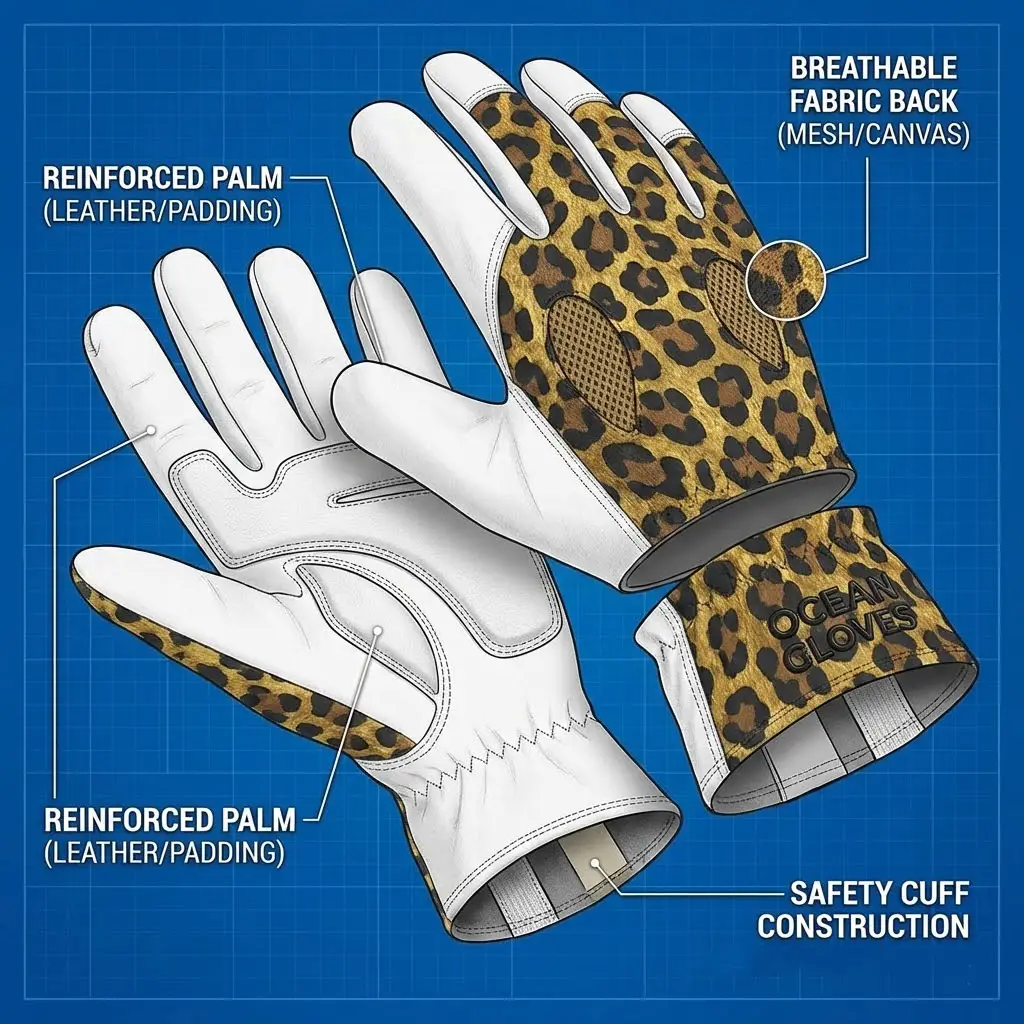
Visual breakdown of the glove layers, highlighting the reinforced palm, breathable fabric back, and safety cuff construction
We are the professional assembly line work gloves wholesale source you can rely on. We do not just sell gloves; we manufacture solutions for the industrial sector. From the selection of the raw hide to the final stitch, we control every variable to ensure you get a consistent, high-quality product every time you open a box.
FAQs
Why do we categorize these as heavy-duty industrial assembly work gloves for manufacturing?
We use this classification because the leather thickness and seam strength exceed the standards for light-duty retail gloves, specifically designed to withstand the abrasive environment of a manufacturing plant.
How does the fabric back industrial gloves design impact abrasion resistance?
The fabric back reduces overall abrasion resistance on the back of the hand compared to full leather, but it significantly improves flexibility and breathability, which is a calculated trade-off for general assembly tasks where palm protection is primary.
What tanning agents do you use for general purpose factory assembly gloves Pakistan production?
We use Trivalent Chromium (Chrome III) for our tanning process, which provides excellent thermal stability and softness, ensuring the leather remains flexible during prolonged use.
Can you manufacture professional assembly line work gloves wholesale with specific chemical resistance?
Leather is naturally porous and not ideal for chemical resistance; however, we can apply specific hydrophobic coatings to resist oil and light liquid splashes, though for full chemical immersion, synthetic materials are required.
Why do multi-purpose industrial assembly gloves manufacturer specifications often vary in thickness?
Thickness variations often depend on the animal origin; cowhide is naturally thicker (1.0-1.2mm) than goatskin (0.7-0.9mm), and we select the hide based on whether the priority is tactile sensitivity or raw durability.
Are your warehouse assembly gloves for material handling Sialkot made compliant with EN 388 standards?
Yes, we test our materials against EN 388 mechanical risk standards, specifically focusing on abrasion, blade cut, tear, and puncture resistance to ensure they meet industrial safety requirements.
How do you ensure consistency in manufacturing gloves supplier Pakistan exports?
We maintain consistency by sourcing hides from controlled tanneries and using die-cutting molds rather than hand-cutting, which ensures every pair has the exact same dimensions and fit.
What differentiates assembly line gloves exporter Pakistan quality from other regions?
Sialkot has a centuries-old tradition of leather working; our access to high-quality local livestock and skilled multigenerational craftsmanship allows us to produce superior leather grades at competitive costs.
Do these automotive assembly gloves provide protection against pneumatic tool vibration?
Standard leather gloves offer minimal vibration damping; for true anti-vibration performance, we must integrate specialized foam or gel padding into the palm during the manufacturing process.
Why are manufacturing plant gloves often made with a safety cuff?
A safety cuff is rigid and wide, allowing the worker to quickly fling the glove off if it gets caught in moving machinery, a critical safety feature for conveyor belt and machine operation environments.
How does the stitching thread affect the life of electronics production gloves?
We use continuous filament polyester or nylon thread which has high tensile strength; if we used cotton thread, it would rot or break under tension, causing the glove to fall apart before the leather wears out.
Can you produce warehouse material handling gloves with anti-static properties?
Yes, we can incorporate conductive fibers into the fabric back or use carbon-infused leather treatments to dissipate static electricity, preventing damage to sensitive electronic components.
What is the advantage of using goatskin for logistics center gloves?
Goatskin has a high tensile strength and is naturally water-resistant due to lanolin, making it durable yet soft enough to allow drivers and logistics workers to handle paperwork or scanners without removing their gloves.
How do packaging facility gloves reduce hand fatigue compared to standard leather gloves?
We design packaging gloves with an ergonomic wing thumb or keystone thumb construction that follows the natural curve of the hand, reducing the force needed to grip objects.
Why are construction site gloves often reinforced with a double palm?
Construction work involves handling rough materials like brick and rebar; a double palm adds a second layer of leather to high-wear areas, effectively doubling the time it takes to wear through to the skin.
Do maintenance department gloves require special heat resistance?
Often yes, if maintenance involves welding or hot piping; we can use chrome-tanned leather which resists shrinking at higher temperatures compared to vegetable-tanned alternatives.
What is the difference between split and grain leather in factory work gloves?
Grain leather is the outer layer of the hide, offering better dexterity and moisture resistance; split leather is the fibrous inner layer, which is cheaper and offers good heat protection but absorbs oil and dirt more easily.
How does the fiber structure of buffalo leather affect heavy duty industrial gloves?
Buffalo hide has a coarser, more open fiber structure than cowhide, which makes it extremely durable and breathable, though it is generally stiffer and takes longer to break in.
Why do reliable industrial gloves typically have a Gunn cut pattern?
The Gunn cut removes seams from the high-wear area of the palm and puts them on the back of the fingers, increasing the glove’s durability and comfort for gripping tools.
How do consistent quality gloves impact the total cost of ownership for a factory?
Consistent quality means predictable wear rates; this allows procurement managers to forecast inventory accurately and prevents work stoppages caused by premature PPE failure.
WhatsApp us or email Sales@oceangloves.com
Facebook | Twitter | Instagram | YouTube | LinkedIn